How Hearing Loss Affects Brain Health, Memory, and Dementia Risk
How Hearing Loss Affects Brain Health, Memory, and Dementia Risk
Hearing loss affects more than your ability to detect sound. It directly affects how your brain stays active, processes information, and stores memory. Research continues to show a clear link between untreated hearing loss and increased risk of cognitive decline and dementia. Understanding this connection helps you take action early and protect both your hearing and long-term brain health.
Your Brain Needs Sound to Stay Active
Your brain depends on sound to remain engaged. Every time you hear speech, your brain identifies words, separates background noise, and stores information. This constant activity strengthens neural pathways responsible for memory, attention, and comprehension.

When hearing loss develops, the brain receives less sound input. Reduced stimulation weakens these pathways. Your brain must work harder to interpret incomplete sound signals. This extra effort increases listening fatigue and reduces efficiency in other areas, including memory and focus.
Over time, this lack of stimulation affects how well your brain processes and retains information. Early hearing care helps maintain consistent brain activity and supports long-term cognitive health.
Hearing Loss Is Linked to Increased Dementia Risk
Multiple long-term studies identify hearing loss as one of the most significant modifiable risk factors for dementia. Reduced sound stimulation contributes to changes in brain structure and function. These changes affect memory processing, thinking speed, and mental clarity.
The positive news is that early intervention helps reduce this risk. A professional identifies hearing changes early and provides solutions that restore access to sound. When your brain receives proper sound input, it maintains stronger neural connections and operates more efficiently.
Communication Supports Memory and Mental Function

Conversation is one of the most important forms of brain stimulation. Your brain processes language, tone, emotion, and meaning at the same time. This activity strengthens memory and thinking ability.
When hearing loss makes conversations difficult, many people begin avoiding social situations. This reduces mental stimulation and increases the risk of cognitive decline.
Treating hearing loss helps restore communication. Clear hearing allows your brain to stay engaged during conversations, which supports memory retention and mental clarity.
Signs Hearing Loss May Be Affecting Your Brain Health
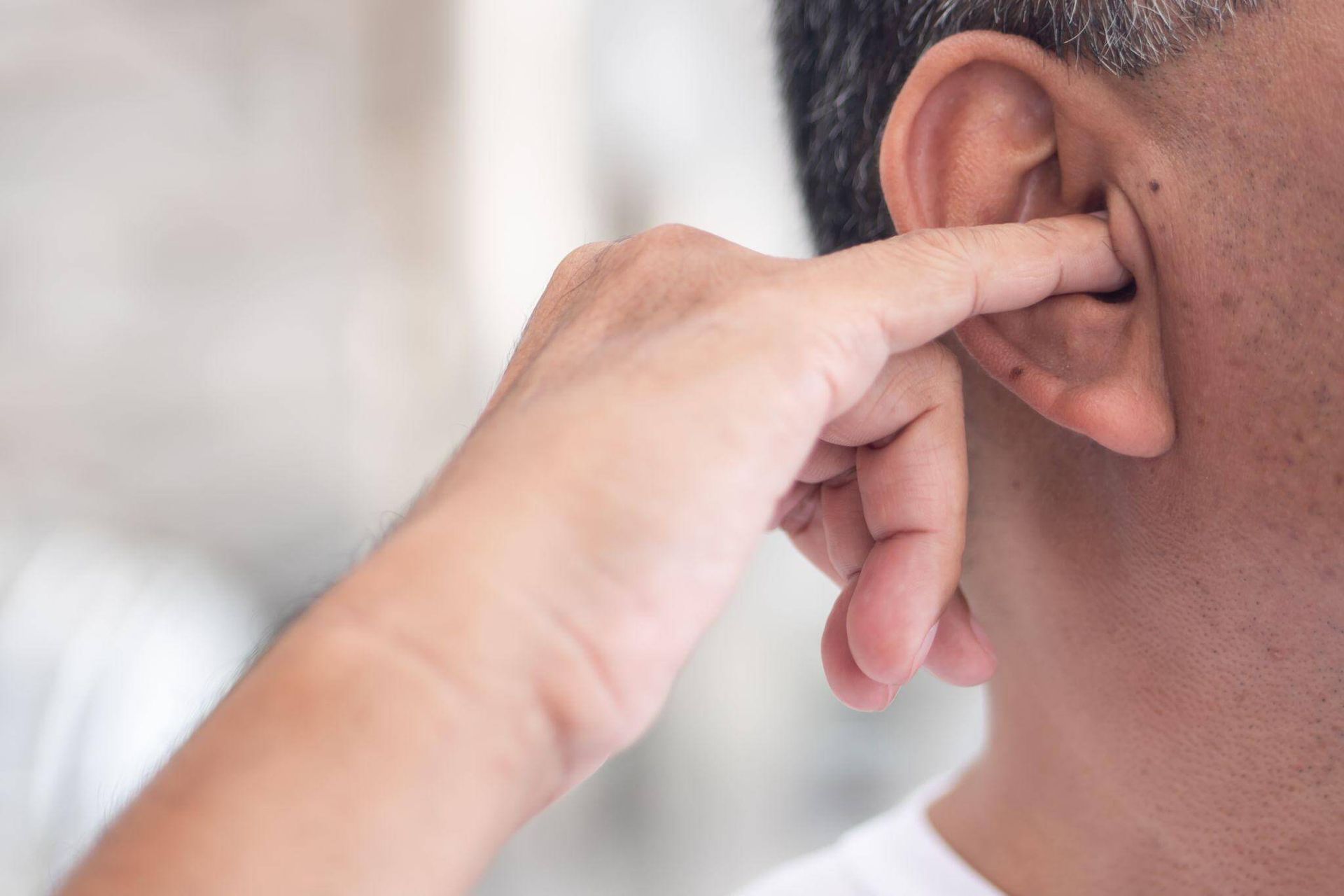
Hearing loss often develops gradually. Many people do not recognize the signs immediately. Watch for these common indicators:
● Difficulty following conversations in noisy environments
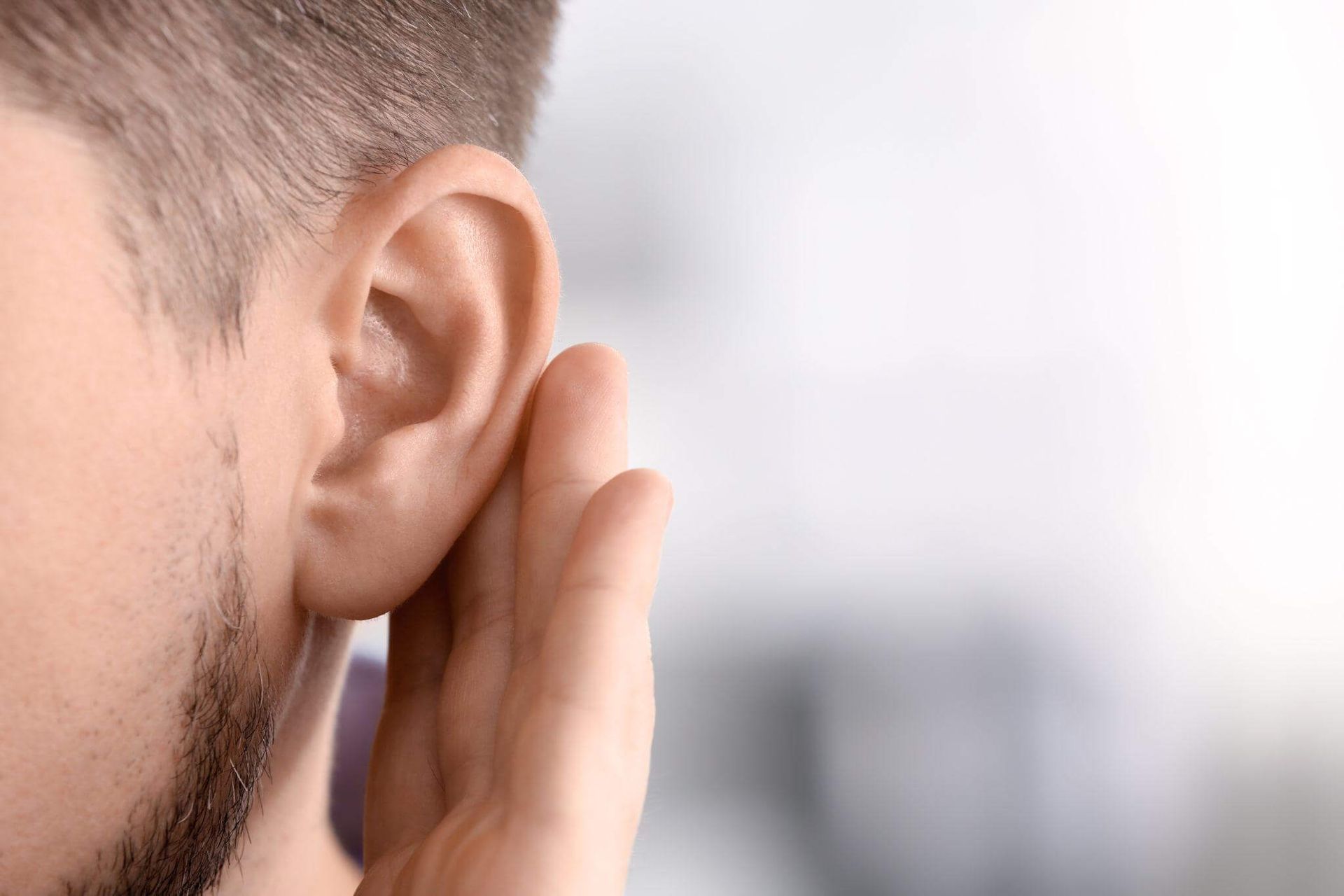
● Frequently asking people to repeat themselves
● Feeling mentally tired after conversations
● Increasing television or phone volume
● Difficulty remembering spoken information
These signs indicate your brain is working harder to interpret sound. Early testing identifies the cause and allows treatment before further cognitive strain develops.
Hearing Treatment Helps Protect Your Brain

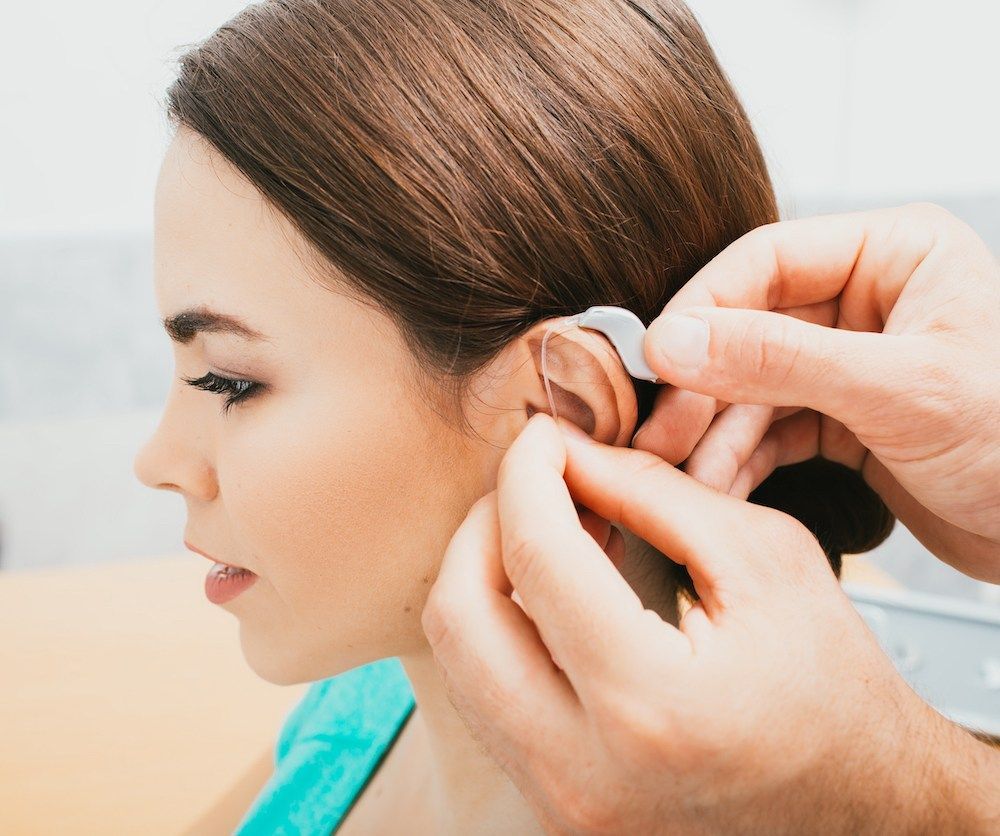
Professional hearing care restores access to sound and reduces strain on your brain. Modern hearing devices improve clarity and allow your brain to process sound naturally.
Benefits of treating hearing loss include:
● Improved memory retention
● Better concentration
● Reduced mental fatigue
● Stronger communication ability
● Improved daily function and independence
When hearing improves, your brain no longer needs to compensate for missing sound. This helps preserve cognitive function and supports long-term brain health.
Protect Your Hearing and Support Your Brain Health
Hearing loss affects your brain, memory, and daily function. Early testing helps preserve cognitive health and communication ability. A Hearing Aid Practitioner / Audiologist can identify hearing changes and recommend treatment that supports long-term brain function.
If you have noticed changes in your hearing, schedule a professional assessment at Discover Hearing in St. Albert. Early care helps protect both your hearing and your cognitive health.