Why Regular Hearing Tests Matter | Discover Hearing St. Albert

Why Regular Hearing Tests Matter
Most people only think about their hearing when something goes wrong. By that point, the damage is often already done.
Hearing loss develops slowly. It can take years before you notice a change. You adapt without realizing it. By the time family members are repeating themselves and you are turning up the television, significant loss may already have occurred.
Regular hearing tests catch problems early, when there is still more you can do about them.
What Happens During a Hearing Test in St. Albert?
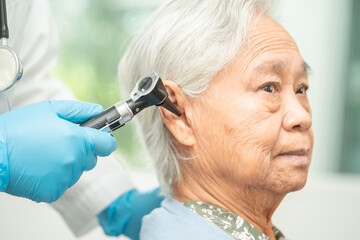
A hearing assessment in St. Albert measures how well you hear sounds at different pitches and volumes. An audiologist plays a series of tones through headphones and asks you to respond each time you hear one.
The results are plotted on an audiogram, a graph showing your hearing range across frequencies. The appointment takes about 30 to 60 minutes. It is painless and non-invasive.
Your St. Albert audiologist will also review your medical history, examine your ear canals, and ask about any symptoms you have noticed. You leave with a clear picture of where your hearing stands today.
How Often Should You Get Tested?
How often you need a hearing test depends on your age and risk factors.
General guidelines suggest:
● Adults under 50 with no symptoms: once every 10 years
● Adults between 50 and 60: once every three years
● Adults over 60: every one to two years
● Anyone with risk factors: annually
Hearing loss risk factors include working in noisy environments, regular exposure to loud music, a family history of hearing loss, and smoking. If any of these apply, annual testing makes sense at any age.
Why Early Detection Makes a Difference for Hearing Loss in St. Albert

Untreated hearing loss affects more than your ability to hear. Research connects it to cognitive decline, depression, and social withdrawal. People who go without treatment often pull back from conversations and social settings without realizing why.
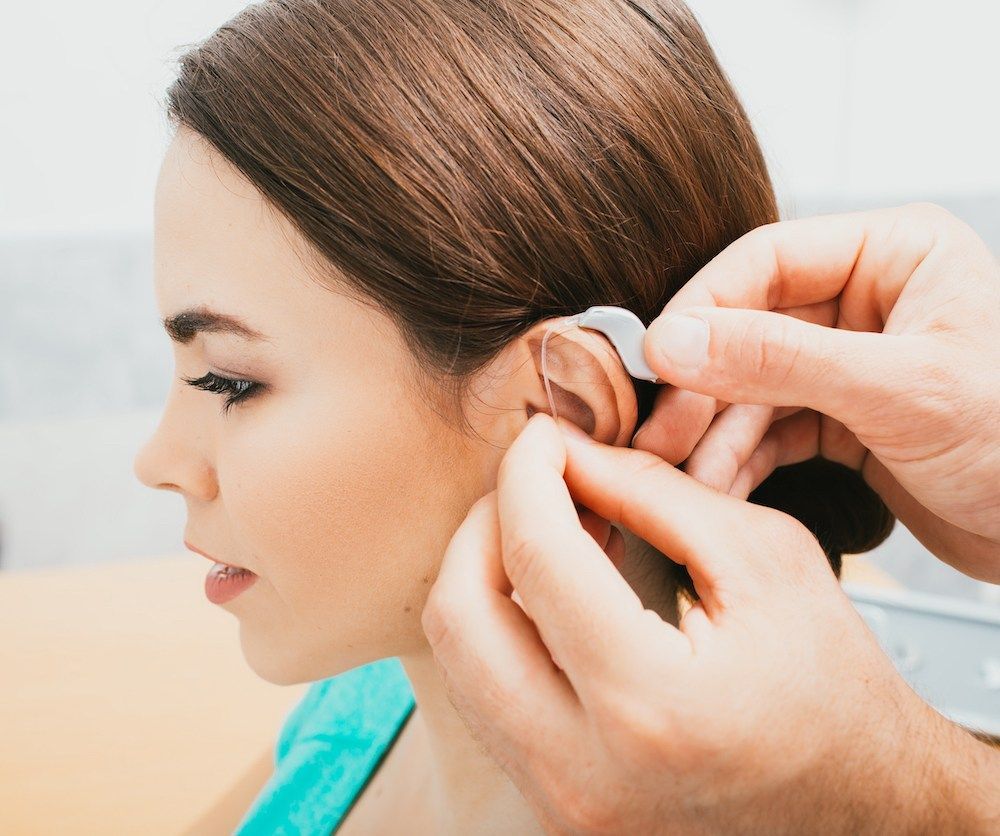
Catching hearing loss early means more options. Mild to moderate loss often responds well to hearing aids and other interventions. Waiting until the loss is severe limits what is possible.
Getting a baseline test in your 40s or 50s also gives your audiologist a reference point. Future tests can then show whether your hearing is changing and at what rate.
Signs You Should Not Wait
Do not wait for your next scheduled check-up if you notice any of the following:
● Difficulty following conversations, especially in noisy settings
● Frequently asking others to repeat themselves
● Turning up the TV or phone volume more than usual
● Ringing or buzzing in the ears (tinnitus)
● Trouble hearing high-pitched sounds like alarms or birds
These are common early warning signs. Acting on them quickly leads to better outcomes.
Hearing Loss and Your Overall Health
Hearing loss does not exist in isolation. Studies consistently link untreated hearing loss to an increased risk of dementia and cognitive decline. The brain works harder to process incomplete sound signals, which takes resources away from memory and thinking.
There is also a strong connection between hearing loss and mental health. Struggling to follow conversations causes frustration and embarrassment. Many people begin avoiding social situations altogether. Isolation follows.
If tinnitus is part of your picture, effective tinnitus treatment options exist that can reduce how much it interferes with daily life. A hearing assessment is the right place to start.
Protecting the Hearing You Have

A hearing test does more than identify loss. It gives your audiologist the information needed to advise you on protection.
Prolonged exposure above 85 decibels causes permanent hearing damage. Construction sites, concerts, and even earbuds at high volume all qualify. Once that damage occurs, it cannot be reversed.
If your test results show early signs of noise-induced hearing loss, your audiologist can recommend custom hearing protection to prevent further damage. One conversation now can protect decades of hearing.
Occupational Hearing Health
Alberta workers in oil and gas, agriculture, and construction face elevated noise exposure. Regular testing tracks whether workplace noise levels are affecting your hearing over time. Catching changes early means you can take action before the damage compounds.
Book Your Hearing Assessment in St. Albert
When did you last have your hearing tested? If you cannot remember, it has probably been too long.
A comprehensive hearing assessment at Discover Hearing in St. Albert takes about an hour. You leave with a clear picture of your hearing health and a plan if anything needs attention.
Do not wait until you notice a problem. Contact Discover Hearing to book your appointment with a St Albert audiologist today.