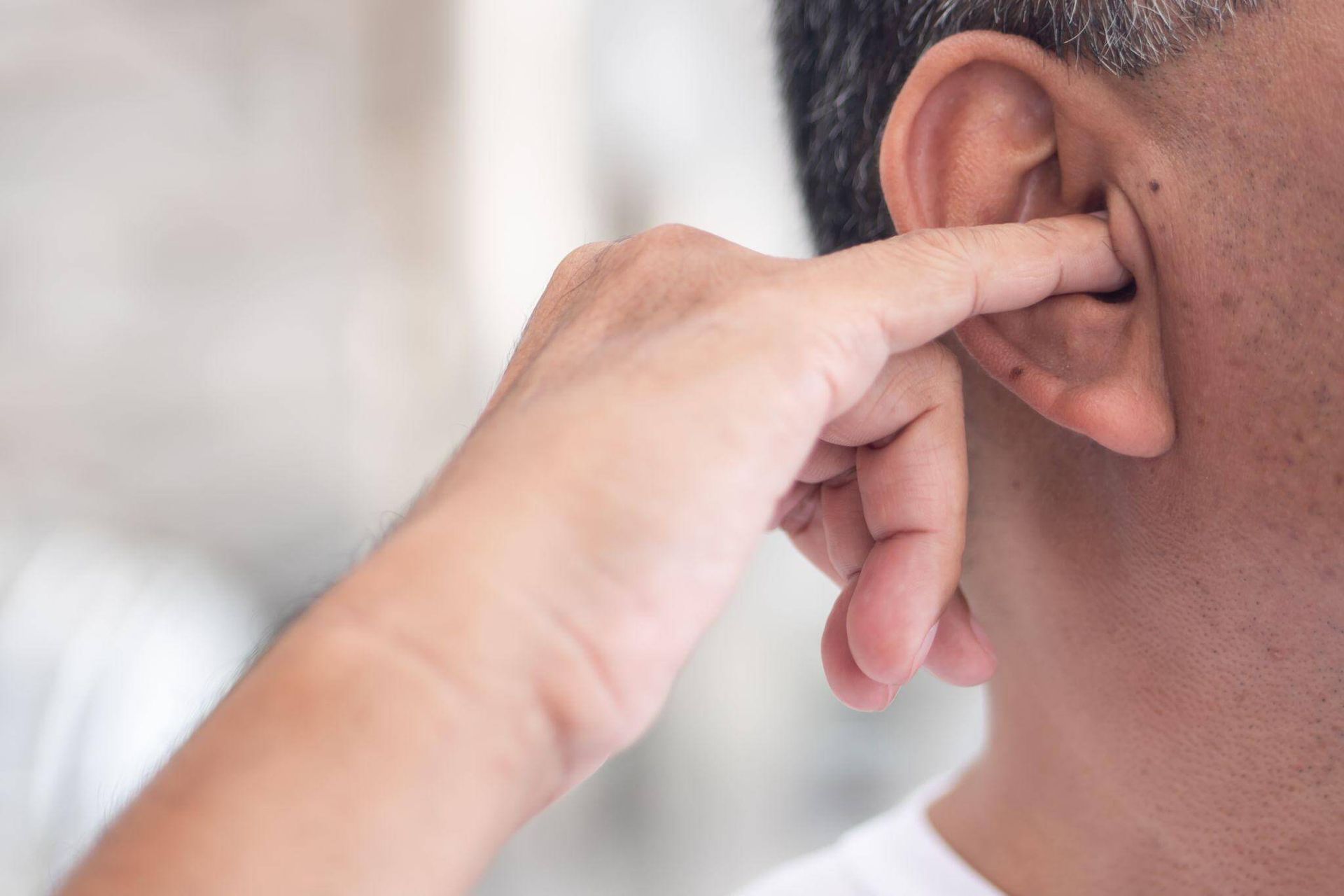
How Chronic Conditions Like Diabetes Affect Your Hearing

Many people treat hearing loss as a standalone problem; something that comes with age or loud noise exposure. What they overlook is the connection between hearing health and chronic illness. If you live with diabetes, cardiovascular disease, or another long-term condition, your hearing may be at greater risk than you realize.
Understanding that connection is the first step toward protecting your hearing for the long term.
The Link Between Diabetes and Hearing Loss
Research consistently shows that hearing loss is nearly twice as common in people with diabetes compared to those without it. The reason comes down to circulation. High blood sugar damages small blood vessels throughout the body, including those in the inner ear.
The cochlea, the part of the ear responsible for converting sound into nerve signals, depends on a steady supply of oxygenated blood. When that supply is compromised, the hair cells inside the cochlea begin to deteriorate. Unlike many other cells in the body, these hair cells do not regenerate. Meaning, once these hair cells are damaged, diabetes hearing loss is permanent.
People with Type 2 diabetes are especially likely to experience high-frequency hearing loss first, which can make it harder to follow conversations in noisy settings or hear certain voices clearly.
Other Chronic Conditions That Affect Hearing

Diabetes is not the only condition that puts your hearing at risk. Chronic conditions hearing loss can impact your long-term hearing wellness if ignored, so it is important to know what to look out for.
Cardiovascular disease reduces blood flow throughout the body, including to the auditory system. Studies have found that poor cardiovascular health correlates with lower-frequency hearing loss.
Hypertension (high blood pressure) can damage the delicate structures of the inner ear over time. The connection is similar to diabetes, sustained high pressure weakens the blood vessels that supply the cochlea.
Chronic kidney disease is closely linked to hearing loss, partly because the cellular structure of the kidney and inner ear are similar. Certain medications used to treat kidney disease also carry a risk of ototoxicity, meaning they can cause hearing damage as a side effect.
Hypothyroidism can lead to fluid buildup in the middle ear and changes to cochlear function, both of which affect hearing.
If you are managing any of these conditions, annual hearing assessments should be part of your standard healthcare routine.
Signs You Should Not Ignore
Hearing loss caused by chronic illness tends to develop gradually, which makes it easy to dismiss. Our FAQ page outlines the full range of warning signs, but the most common include:
● Asking people to repeat themselves frequently
● Difficulty following conversations in restaurants or group settings
● Turning up the TV or radio louder than others find comfortable
● Missing parts of phone calls or video chats
● Tinnitus (ringing or buzzing in the ears)
These symptoms often appear years before a person seeks professional evaluation. Early detection makes a significant difference in outcomes.
What to Expect at a Hearing Assessment | Discover Hearing St. Albert
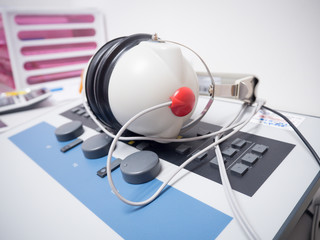
A comprehensive audiometric evaluation at our St. Albert hearing clinic takes approximately 30 to 40 minutes. It includes pure-tone air and bone conduction testing, speech recognition testing, otoscopy, and tympanometry. Together, these tests determine the type, degree, and likely origin of any hearing loss.
For patients managing chronic conditions, your health history is reviewed as part of the process. Findings that require further investigation are referred back to your physician.
It is worth noting that in Alberta, you do not need a referral to see an audiologist. You can book directly with our Hearing Clinic St Albert at any time.
What a Registered Audiologist Can Do For Those Experiencing Diabetes Hearing Loss

A registered audiologist has the training and diagnostic tools to assess your hearing across multiple frequencies, identify the type and degree of any loss, and connect those findings to your broader health picture.
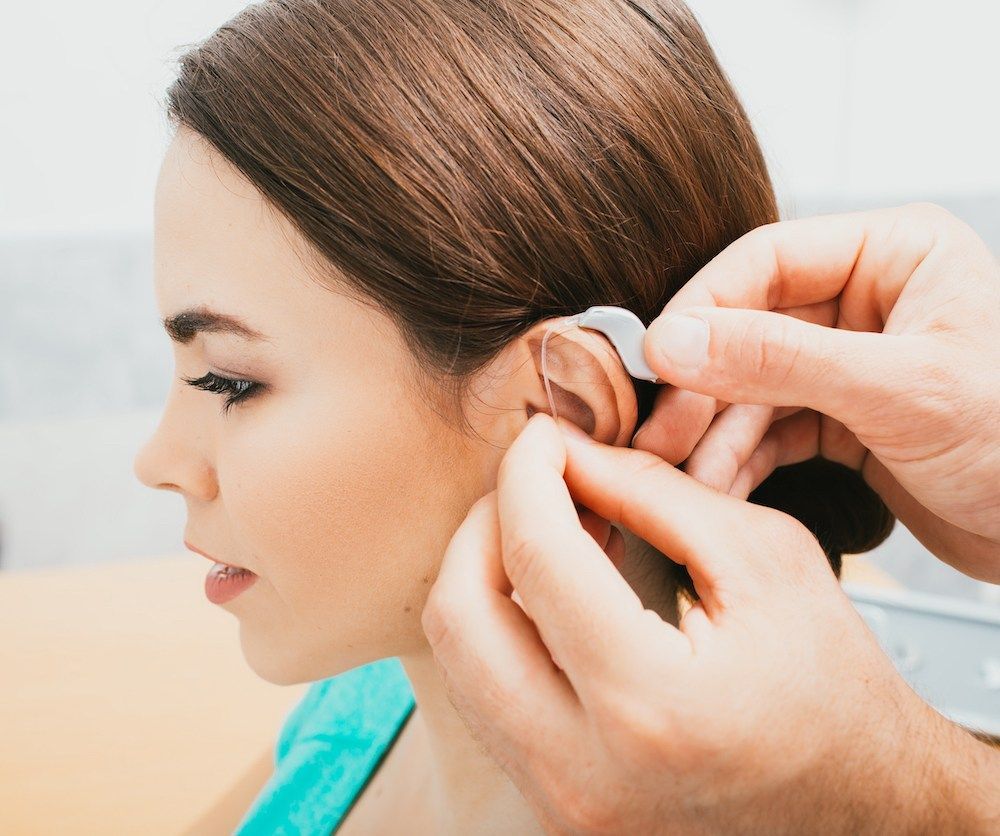
If hearing aids are recommended, the fitting process is customized to your hearing profile and lifestyle. Discover Hearing carries a full range of hearing aid styles and technology levels, from discreet in-canal options to behind-the-ear models with automatic environment adjustment. Our team will walk you through what suits your degree of loss, dexterity, and daily routine.
For patients managing chronic conditions, ongoing monitoring is equally important. Your hearing can change as your condition progresses, and regular follow-up keeps your devices calibrated to where your hearing currently is.
Book Your Hearing Assessment with Discover Hearing in St. Albert
If you have been diagnosed with diabetes or another chronic condition, do not wait for hearing loss to become obvious before acting. The earlier diabetes hearing loss is identified, the more options you have.
Book an appointment with our registered audiologist and hearing care team at Discover Hearing in St. Albert. We offer comprehensive hearing assessments and a full range of hearing aids for adults at every stage of hearing loss.