Can Exercise Reduce My Risk of Hearing Loss?
Can Exercise Reduce My Risk of Hearing Loss?

Regular exercise has numerous health benefits, from improved energy levels to reduced risk of cardiovascular disease and other health concerns; but did you know that exercise also supports good hearing health?
While exercise can’t prevent every cause of hearing loss, maintaining good cardiovascular and overall health may help support the structures and processes involved in healthy hearing.
How Does Exercise Impact Hearing Health?

People who exercise regularly enjoy improved muscle strength, flexibility and circulation. That last benefit is crucial when it comes to your hearing health.
The hair cells in your inner ear that are responsible for converting sound waves into auditory signals depend on an adequate supply of oxygen and nutrients. Regular physical activity supports cardiovascular health and healthy circulation throughout the body, including the systems that supply the inner ear.
Regular physical activity also supports overall health and may help reduce chronic inflammation, while also lowering the risk of chronic medical conditions such as diabetes, which can damage blood vessels, reduce circulation and have negative impacts on your hearing health.
Maintaining good cardiovascular and metabolic health is important because the structures of the inner ear rely on a healthy blood supply. Supporting your overall health through regular physical activity is one way to help maintain the systems involved in healthy hearing as you age.
How Hearing Loss Impacts Your Overall Health
On the flip side, hearing loss can in turn impact your overall health in a myriad of ways. We’ve covered how people experiencing hearing loss can struggle in social situations, leading to withdrawal from loved ones, isolation and mental health struggles, in previous blog posts. But hearing loss can also affect your physical health.
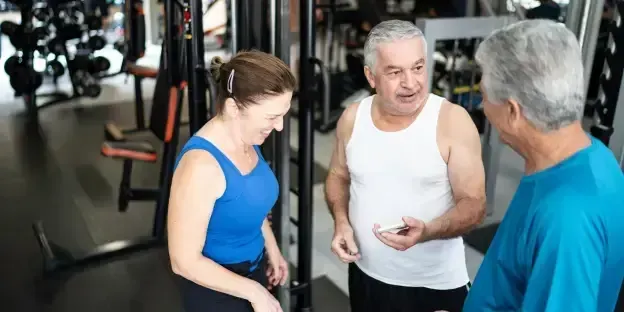
Research has found associations between hearing loss and lower levels of physical activity among some older adults. Exercising frequently involves social aspects that can become difficult when you can’t hear clearly. Fitness classes require you to be able to follow instructions and going to the gym with a friend or walking with a group is less enjoyable if you can’t follow conversations.
In this way, hearing difficulties may make it harder for some people to stay socially engaged and physically active. Reduced activity can contribute to other health concerns, reinforcing the importance of looking after both your overall health and your hearing. That’s why taking steps to get more regular exercise and protect your hearing health is so important.
Protecting Your Hearing in Loud Workout Environments
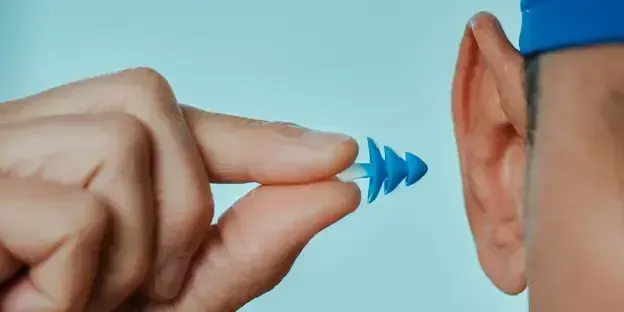
While getting out to the gym is a great step towards improving your overall health, it’s also important to take steps to protect your hearing in noisy environments. Intense music, noisy machines or sudden loud sounds from dropped weights can add up to sound levels that pose a risk to your hearing if you’re exposed to them over a long period of time. This is where hearing protection comes in.
Here are a few tips for safeguarding your hearing while staying active:
-
Use properly fitted swim plugs if you’re prone to swimmer’s ear or need to keep water out of your ear canals while swimming.
-
Follow the
60-60 rule for safe listening when using earbuds or other audio devices to listen to music while running or working out.
-
If you’re attending a fitness class where the instructor plays music at a high volume, position yourself away from the speakers and use musicians’ earplugs. Because the risk of noise-induced hearing damage depends on both volume and the length of exposure, consider speaking to the instructor if the music is uncomfortably loud.
-
Consider
custom earplugs during strength training or high-intensity interval training in particularly loud environments, especially when you want to reduce noise while maintaining the ability to communicate.
- Sport-specific hearing protection may be available for certain team sports. Contact Discover Hearing to discuss options that would best suit your specific needs.
When Should You Visit a Hearing Loss Clinic?
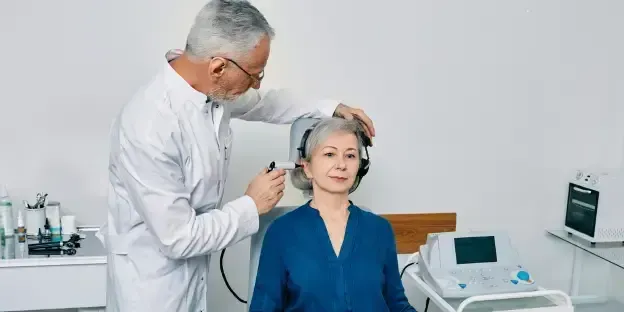
Just like getting regular physical activity, monitoring your hearing health is important at any stage of your life.
If you’ve never been to a hearing clinic, it’s a good idea to schedule a baseline hearing test to establish your hearing profile and discuss hearing protection options, if necessary. How often you should have your hearing tested depends on factors such as your age, hearing history, symptoms and exposure to loud noise. Your audiologist can recommend an appropriate testing schedule based on your individual needs.
If you’re experiencing ringing in your ears, are having difficulties following conversations or are finding that you need to increase the volume on your TV or devices more than usual, it’s time to book a hearing evaluation at your local hearing loss clinic.
At Discover Hearing in St. Albert, we have 25 years of experience providing expert hearing evaluations, custom hearing protection and hearing aid services. Book an appointment with our registered audiologist today so you can get back to hearing the sounds you love!