What Causes Tinnitus (and How Can It Be Treated)?
What Causes Tinnitus (and How Can It Be Treated)?

Have you been hearing a persistent ringing that other people don’t seem to hear? This phenomenon is known as tinnitus and it is a common experience, particularly among older adults.
If you’re among the many adults who experience tinnitus, this article will explain what causes this condition and what options are available for treatment.
What is Tinnitus?
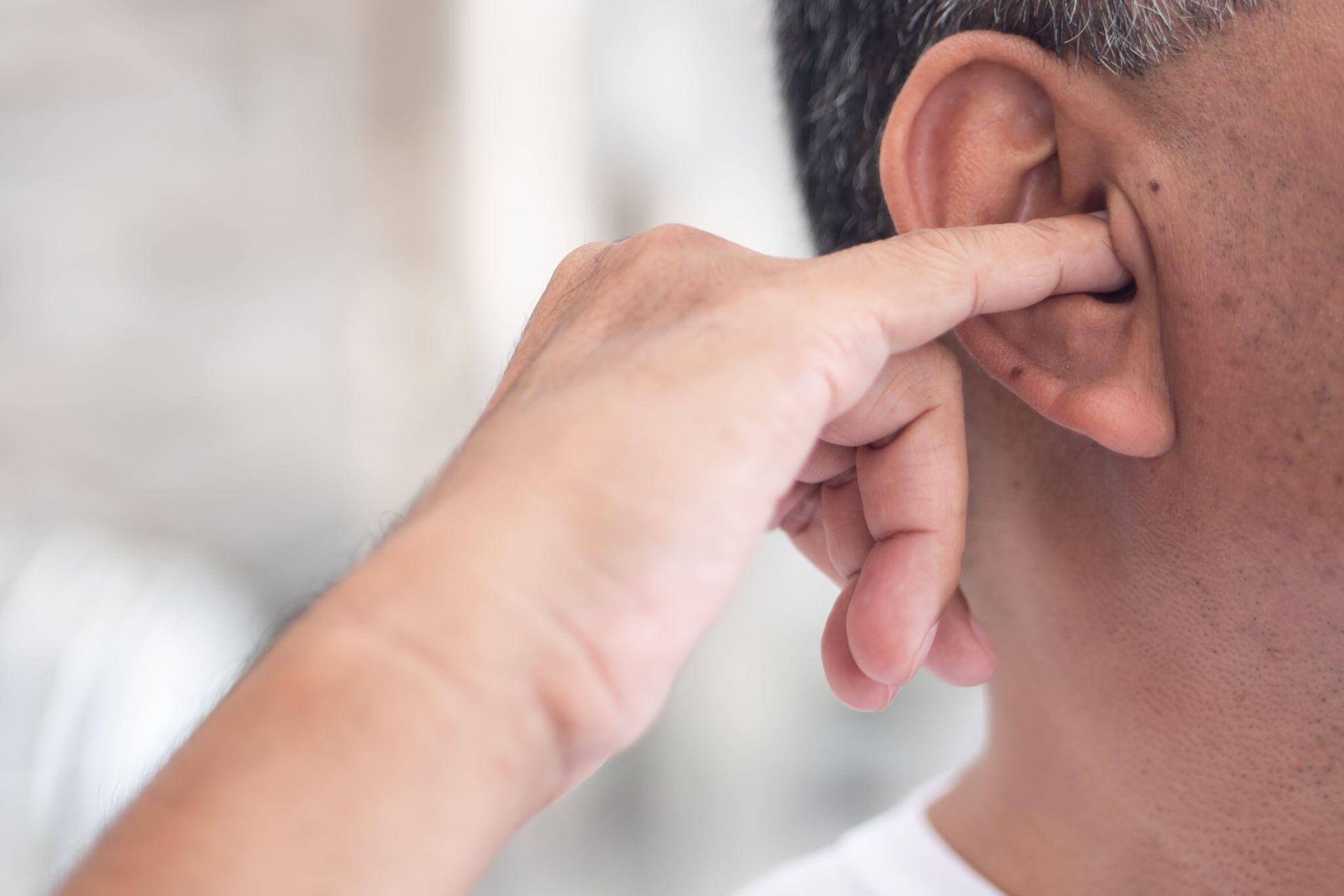
Tinnitus refers to the experience of hearing ringing or other sounds in one or both of your ears that isn’t caused by an outside source. In addition to ringing, these sounds can include buzzing, clicking, humming, hissing or roaring. These noises can come and go or be more noticeable at certain times.
Hearing strange sounds can be frustrating and distracting and people suffering from tinnitus may experience headaches, fatigue, irritability and difficulty sleeping because of these noises.
Tinnitus is a symptom of another condition, not a disease itself, and it can often be related to hearing loss. However, tinnitus can also occur without measurable hearing loss. A comprehensive hearing evaluation can help identify hearing changes and determine whether further medical assessment may be needed.
Causes of Tinnitus and How It Relates to Hearing Loss
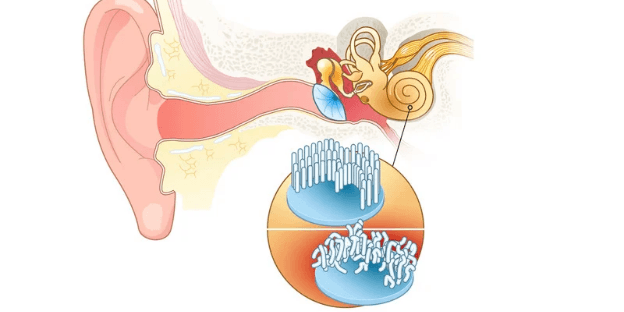
Damage to the delicate hair cells in the inner ear can contribute to changes in how the auditory system processes sound, which may lead to tinnitus. This form of tinnitus is often associated with noise-induced hearing loss, though age-related changes in hearing can also contribute to its development.
Other causes of tinnitus include ear infections, wax blockages in the ear canal, issues with teeth or the temporomandibular joint (TMJ), which connects the jaw to the skull, head or neck injuries, or side effects from certain medications. There are also several medical conditions that can cause tinnitus, such as Ménière’s disease, migraines and some autoimmune conditions.
Tinnitus can have more than one contributing cause, so identifying the factors associated with your symptoms is an important first step toward finding appropriate treatment. Certain medications can also contribute to tinnitus. If you suspect a medication is affecting your hearing, speak with your healthcare professional rather than stopping it on your own.
For more answers to common questions about tinnitus, read our guide to six common questions about tinnitus.
What Treatment Options Are Available for Tinnitus

Often treating the underlying cause can help clear up tinnitus. This can include treating an ear infection, removing an ear canal blockage, dental care and physical therapy to help with jaw issues.
When treating the cause doesn’t completely resolve the ringing or other sounds, there are tinnitus treatment options that can help make the sounds less noticeable and reduce their impact on daily life. The most suitable approach depends on the cause of your tinnitus, whether hearing loss is present and how much the symptoms affect you.
Learn more about the tinnitus treatment options offered by Discover Hearing.
Sound Therapy for Treating Tinnitus
Playing low-level sounds such as white noise or nature sounds can help the brain focus, distract from the tinnitus noise and help with relaxation. Sound therapy may be especially helpful in quiet environments or at bedtime, when tinnitus can seem more noticeable. Although it may not eliminate tinnitus, it can help some people manage their symptoms more comfortably.
Hearing Aid Treatments for Tinnitus
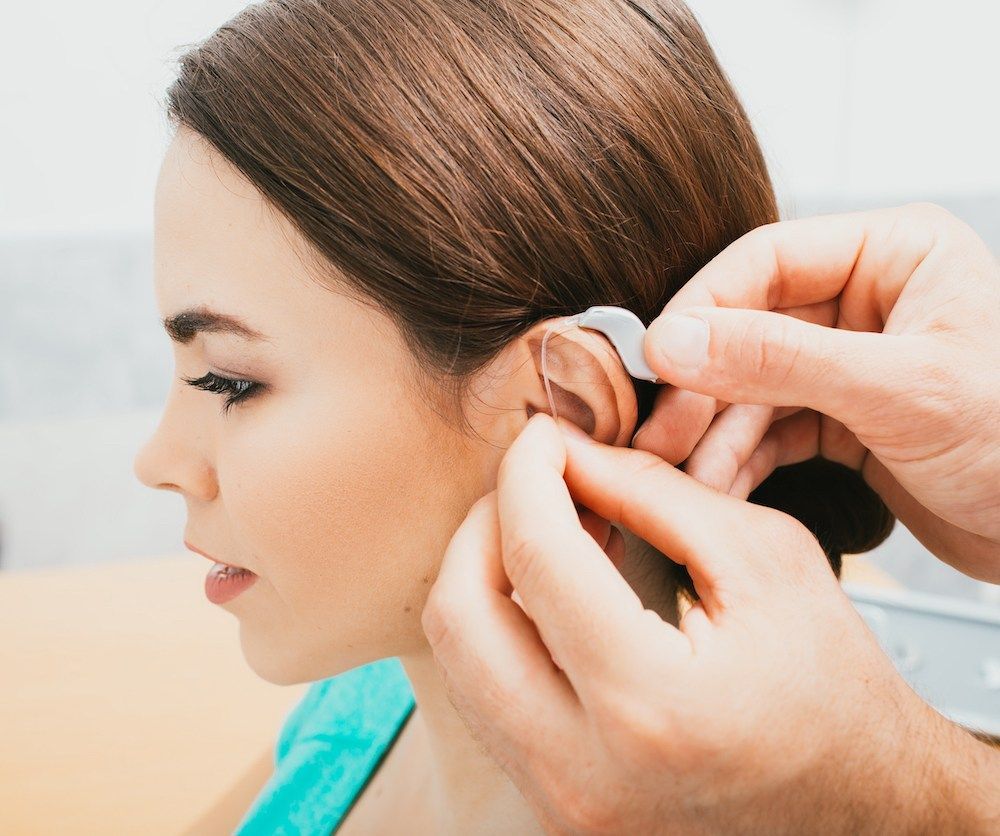
Hearing aids can help with tinnitus when it occurs alongside hearing loss. Some hearing aids have sound therapy programs, allowing soothing sounds to be played directly in the ear.
Hearing aids can also allow the wearer to hear a wider range of environmental sounds, helping them to shift their focus away from their tinnitus.
If you're interested in learning more about hearing aid options, explore Discover Hearing's hearing aids and hearing solutions.
Tinnitus-Focused Counselling
Tinnitus can affect concentration, sleep and emotional wellbeing. Tinnitus-focused counselling, including cognitive behavioural therapy (CBT), can help people change how they respond to tinnitus and reduce the distress it causes. It does not necessarily eliminate the sound, but it can make tinnitus easier to live with.
A combination of approaches, such as hearing aids, sound therapy and counselling, may be recommended depending on your individual needs.
When Should You See a Hearing Professional?
If you think you may have tinnitus, arranging an assessment with a hearing professional is a useful first step, even if your symptoms seem minor. A Registered Audiologist can assess your hearing, discuss your symptoms and help determine whether further medical evaluation is appropriate.
You should make an appointment with a Registered Audiologist if:
- You experience persistent or recurring tinnitus, particularly if it continues after exposure to loud noise or an illness.
- Your tinnitus is becoming more intense and affecting your daily life.
- You notice changes in your hearing or have difficulty following conversations.
You should seek urgent medical assessment if:
- You experience sudden hearing loss, particularly when it occurs alongside tinnitus. Sudden hearing loss requires urgent assessment and should not be left until a routine hearing appointment.
- Your tinnitus is accompanied by new neurological symptoms, such as facial weakness, numbness or other sudden neurological changes.
- You develop tinnitus following a significant head injury, especially if you also experience dizziness, confusion or other concerning symptoms.
Arrange prompt medical assessment if:
- You hear rhythmic pulsing or whooshing that synchronizes with your heartbeat.
- You experience persistent tinnitus in only one ear.
- Tinnitus is affecting your sleep, mental health or ability to manage everyday activities.
If you're unsure whether your symptoms warrant an appointment, read our guide on when to see a Registered Audiologist.
Steps for Preventing Tinnitus
While not all causes of tinnitus are preventable, noise-induced tinnitus can be prevented in many cases by reducing exposure to hazardous noise and wearing appropriate hearing protection when you are going to be exposed to dangerous levels of noise, such as at concerts, shooting ranges, while riding a motorcycle and when working in a noisy environment such as a factory or construction site.
Following the 60-60 Rule and limiting the volume and duration that you use earbuds and headphones is another important step that can protect your hearing health.
Other ways to improve your hearing are by moving away from loudspeakers, taking breaks from noisy environments and using properly fitted custom earplugs or custom hearing protection when appropriate. If you experience ringing or muffled hearing after loud noise exposure, treat it as a warning sign and reduce further exposure.
Whether you find tinnitus to be an annoyance or are finding that it’s having a large impact on your wellbeing, a comprehensive hearing evaluation will help assess your hearing and identify possible factors contributing to your tinnitus. Although not every cause can be reversed, understanding your symptoms can help you explore suitable management and treatment options.
At Discover Hearing, our Registered Audiologist can assess your hearing, discuss your concerns and help you determine the next steps. Book an appointment with our Registered Audiologist today so we can help you understand your tinnitus and explore a treatment or management plan tailored to your needs.